
No matter where you go in the realm of fantasy, the heroes and villains have some kind of abilities to set them apart from the others. Whether in areas like the Marvel universe, high fantasy, or other genres, you’ve probably seen many unique powers displayed. This can come in multiple ways: battle skills, heroic traits, or prophesized skills. Heroes can be known for their amazing strength and powerful, unmatched skills; they can be known for a trait that applies well to their situation (ie. a certain sneaky hobbit); or they can awaken due to prophecy.
Most heroes have unique talents and skills in any of the above categories. Chances are if you’re seeing the same powers from Hero A that you’ve seen a thousand times before, unless its a damned compelling story, you’re going to put the book down/turn off the show.
Today, I’ll be talking about the steps and how to develop unique powers and talents for your heroes. If any of my discussion sounds appealing to you, or you just like the way I write, feel free to follow this blog or check out my book here! (Also at the time of writing this, there appears to be a super cheap hardcover for sale!)
Step 1: Build the Hero
This might seem obvious, but readers can tell if you’ve built the power before the hero. Depending on how necessary this power is to them, it often shows a great deal if you’ve built your character first, and their powers after. In my books, Ryoku Dragontalen is a form of demigod. Once I decided that he was the demigod of storms, I was able to build a greater amount of his powers around that. One such skill is his weightless marks – runes on his hand that allow him a temporary fleetness of foot, while able to jump great heights and act, as in the name, weightless. Variations of the ability no doubt exist in other forms of media – it’s their origins and nature that will stand out to your readers.
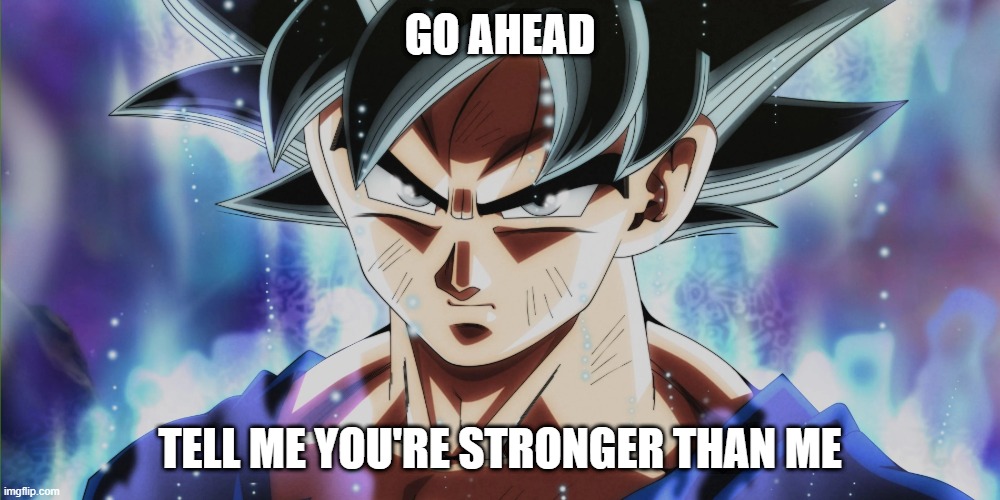
As mentioned above, to reiterate, Goku is part of the Saiyan race. There’s thousands of intricacies to this power that the writers would grow to develop simply by stating his race. A later trademark introduced to Goku was evolving into Super Saiyan form, granting him elevated abilities and putting him on par with villains that would later surface. It was only the first building block, but it was put into place by first building the character. Do you think Akira Toriyama (original author of Dragon Ball) had such a detailed end in mind when first creating his hero?
This is the hero that has to fight their way to the top. Dragonball’s Goku is a prime example among thousands and thousands of others. If your hero is like this, chances are your book sees many, many fights, and possibly even more time spent getting stronger for said fights. To use this properly, you must keep your hero’s powers interesting. This also might not apply for just your main character. Other characters may be even stronger than your hero, but they should take the limelight for some reason or another.
2) Build the quirks.
Going from the building blocks, build your character’s abilities outward with their goals in mind. You can build elaborate and wild skills for your characters, but will they actually come in handy? And for what?
In my books, Ryoku is somewhat of a physically weak character for much of the series, so his weightless marks help him use his nimble speed to his advantage. By the time he gets stronger, his weightless marks have also grown and help him reach maximum impact. In addition, more abilities of his nature grow to meet his opponents.
When Goku reaches a maximum potential as a Super Saiyan, he begins to further the road into what they originally call Super Saiyan 2, then 3, and beyond. Along with this, his skills develop and he acquires new abilities to meet the demands of his enemies.
3) Make it diverse and limited.
If the previous two points check out for you, then consider tweaking the abilities to make them unique. Many other characters in media may have the same weightless qualities that Ryoku does, but in different ways. His are attributed to being a god of storms. Many other characters in fantasy series use a variety of abilities to gain temporary flight, fleetness of foot, and otherwise similar abilities. Often in anime, it’s hardly explained and elaborated upon – they just want their characters to fly. Ryoku’s abilities have limitations in the runes used to show them, and the runes will glow red and eventually blank when taxed too far. He can grow them by constantly pressing them to the limit.
At first glance, Goku’s abilities might seem unoriginal to some. In the decades that followed, many artists, writers, and other storytellers have based their abilities off of what Goku can do. When you examine the natures of his ability, they still pull through as unique to today’s modern copycats!
Now here are some examples of heroic power types:
A) The Powerhouse

This hero needs to be tough. I’m returning to Goku as the type of character who uses a lot of in-your-face, direct power. Not many of his abilities focus on anything but meeting his opponent head-on. This type of hero is popular in Japanese anime and seen in stories like Bleach, the later seasons of Naruto, and Sword Art Online.
While anime loves these types, they’re common in novels, too. Terry Goodkind’s Sword of Truth series includes a very powerful hero as well: Richard Rahl, a Seeker and War Wizard. While he starts out young and foolish, his abilities grow with the Sword of Truth and further as he conquers D’Hara, unlocks his Gift, and sets out to bring worldwide peace. By the end of the series, he’s one of the most powerful known heroes in the universe of the Sword of Truth. (check out this amazing series here – the audiobook is also free with an Audible trial!)
The hero of my novels isn’t quite of this archetype until later on, but there are others that fit the shoes often assigned to the main hero. Katiel Fereyen begins as an overpowered ally and one of the Omega race, capable of turning any part of his body into that of any creature he’s thoroughly studied (even if the creature doesn’t exist, as long as its possible anatomy is understood). With this kind of ability, he could classify as almost any archetype, but chooses often to fly straight into battle instead.
B) The Wielder
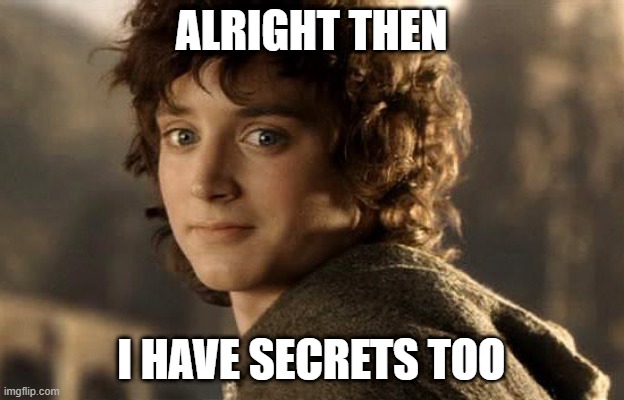
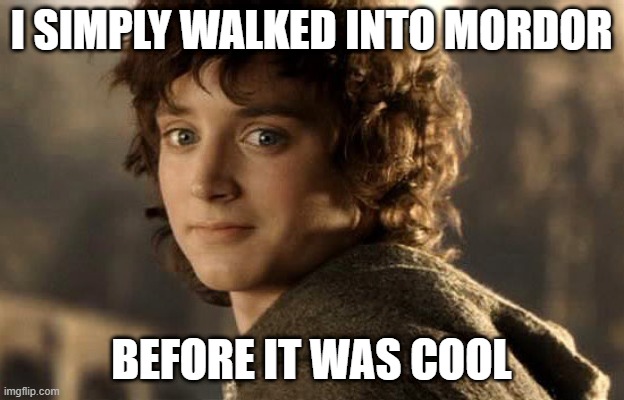
Like Mr. Frodo here, some heroes come upon legendary items that grant them some kind of abilities – it’s up to the writer how unique this may be. In almost every scenario, the item should be of huge significance to the plot. Granted Bilbo had the ring as a mere accessory before this, but that was a prelude. JRR Tolkien had long since written the tale of the Rings of Power.
As mentioned above, Richard Rahl can slip into this category due to his reliance on the Sword of Truth for most of the series, but the series eventually addresses that he can manage without it. Another example of this in my book: Ryoku Dragontalen, and the use of Ragnarok. The sword becomes an important icon more towards the 2nd book and beyond, but he’s also capable of defending himself without it.
The more common trope for this is when a character is virtually turned useful by their item and are pretty hopeless without it. Ironman in the Avengers is one possible case with his suit, and Thor with Mjolnir.
C) Situational Hero

A great example I noticed recently was in CW’s The Flash – Ralph Dibny, the Elongated Man. He has the super power to… elongate. At first, it’s super difficult to master. He just accidentally stretches way too far, or practically melts in a struggle to keep himself together. His strange power does end up having some improbable uses that the Flash himself can’t muster. The whole show is actually great for making abstract powers, especially since each episode must feature some kind of creative power. Pretty much any TV series done in the DC/Marvel universe features the same capabilities.
Adding extreme limits to someone’s abilities can accomplish the same sort of scenario. If your hero can muster super strength and speed at a certain point of the sun’s passage across the sky, that can create just as much a creative outlet for their powers as having a strange power. For the sake of argument, even a full-blooded vampire can technically make this list, though I hope the millions of creative minds in this world can do a little better than the regular vampire.
For an example in my book, I’ll use a race I mentioned above: Omega. While Katiel can shift any part of his body to any creature he’s studied, others have different stages of the power. Rasiel Fereyen is drastically less limited with a scientifically developed mind, preinstalled by his maker with billions of creature anatomies he can utilize. Later on, Blanc and Shadux each have different facets of the same ability. Blanc’s Omega is limited to protective and defensive forms, while Shadux can muster aggressive forms only in a state of heightened emotion. Additionally, both only need to see the creature or imagine it to turn into it, under those limitations.
There are thousands more possibilities and facets for your characters’ powers. While sticking with characters meant to fight, these encompass a large amount of them in a generalized way. Keep your eyes peeled for ideas, even mundane things heightened to a fantastical level. Japanese anime, good ol’ American/Canadian television, and even comics are a wealth of information that can give you the basis of where to start.
Before you look far and wide for ideas for your heroes, look within them. Look at who they are, what they must accomplish, who they will face in combat – and the powers might already be waiting within them for your own brain to discover!

 Sovereign Soul